PlanQ
Expanding a radiation oncology tool to new users and unifying its interface
Overview
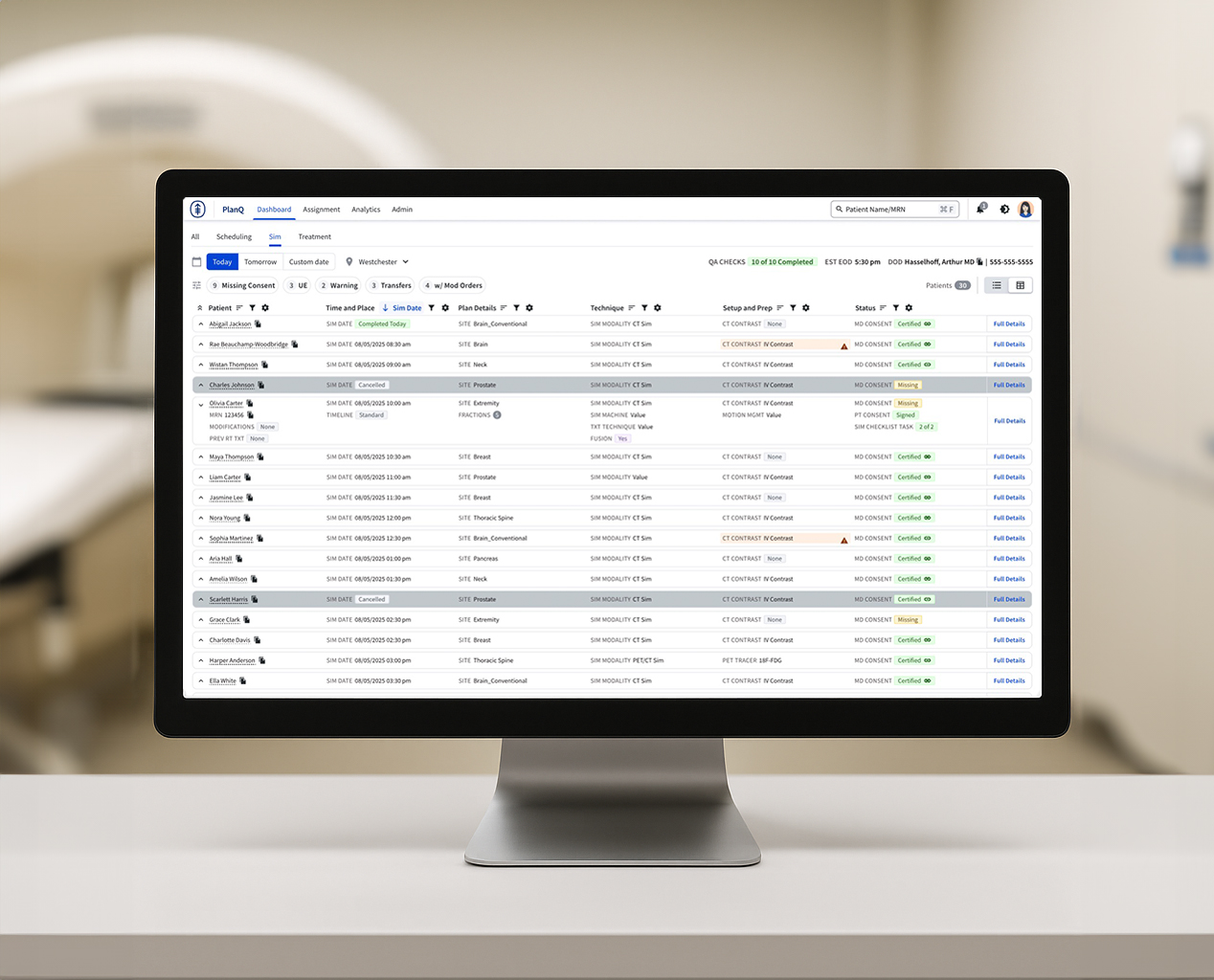
PlanQ is a radiation-oncology tool used by clinicians to plan and coordinate patient care. The project aimed to extend its use to radiation therapists, while addressing accumulated design debt and improving usability across existing roles.
Role & Scope
I worked on:
- Expanding the tool to a new user group (radiation therapists)
- Reconciling design inconsistencies and visual debt
- Simplifying dense data views
- Introducing AI-assisted features within a high-risk clinical context
- Adding a notifications feature
This work built on close collaboration between design, clinical, and engineering teams to ensure the product balanced clinical trust and technical feasibility.
Challenges
- No prior design involvement had led to heavy UI debt and unclear hierarchy.
- The tool’s main dashboard table had dozens of columns and required side-scrolling.
- Therapists’ workflows involved repetitive clicking and constant window switching.
- Needed to safely introduce AI-flagged data into a high-risk environment.
- Expansion required new views and interactions without disrupting existing users.
- There was no notification system surfacing relevant changes or situations
Workshop
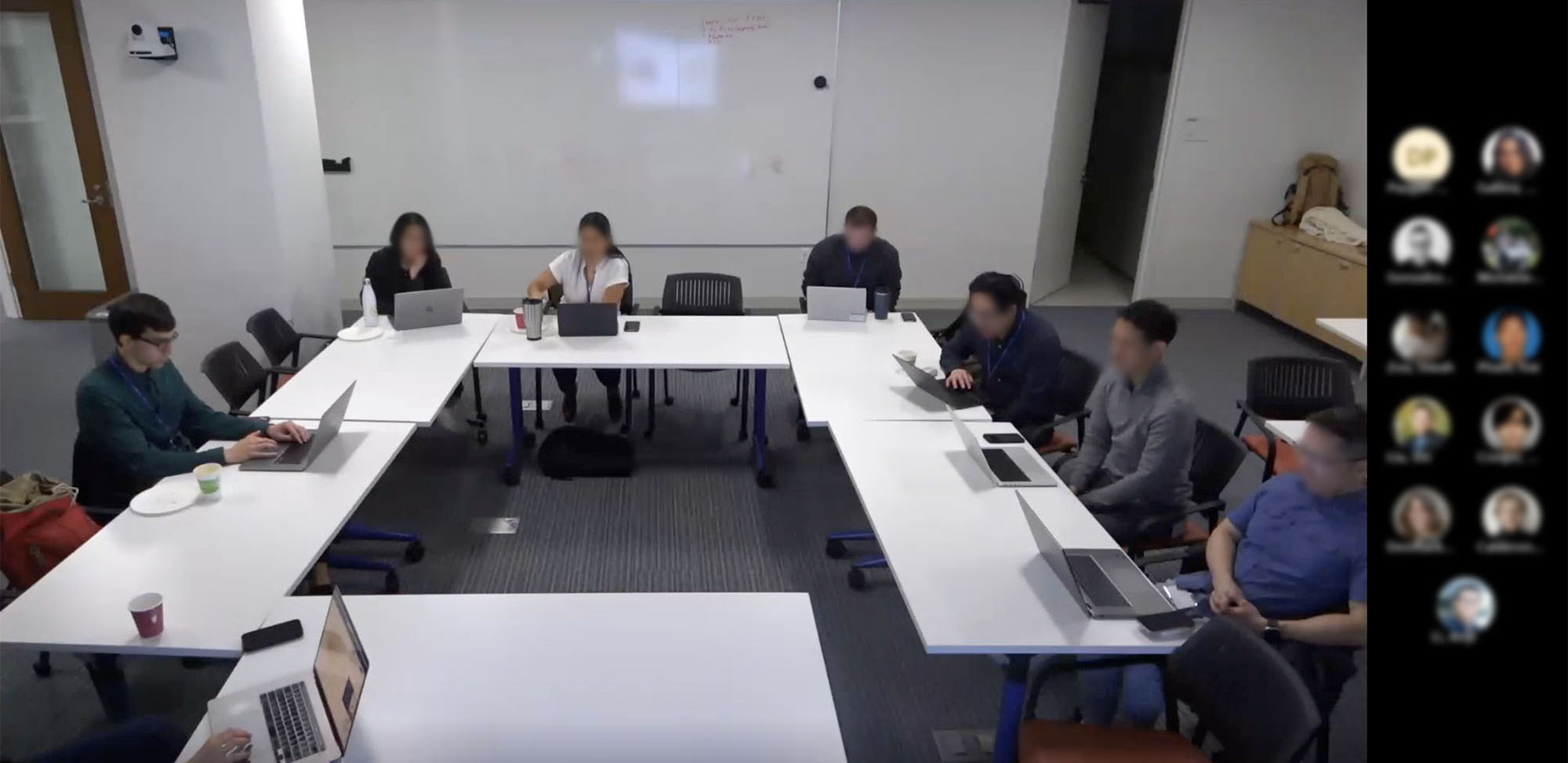
We began with a multi-disciplinary workshop involving clinical staff, engineers, and design leads to align goals and capture pain points.
Visual Audit and Reconciliation
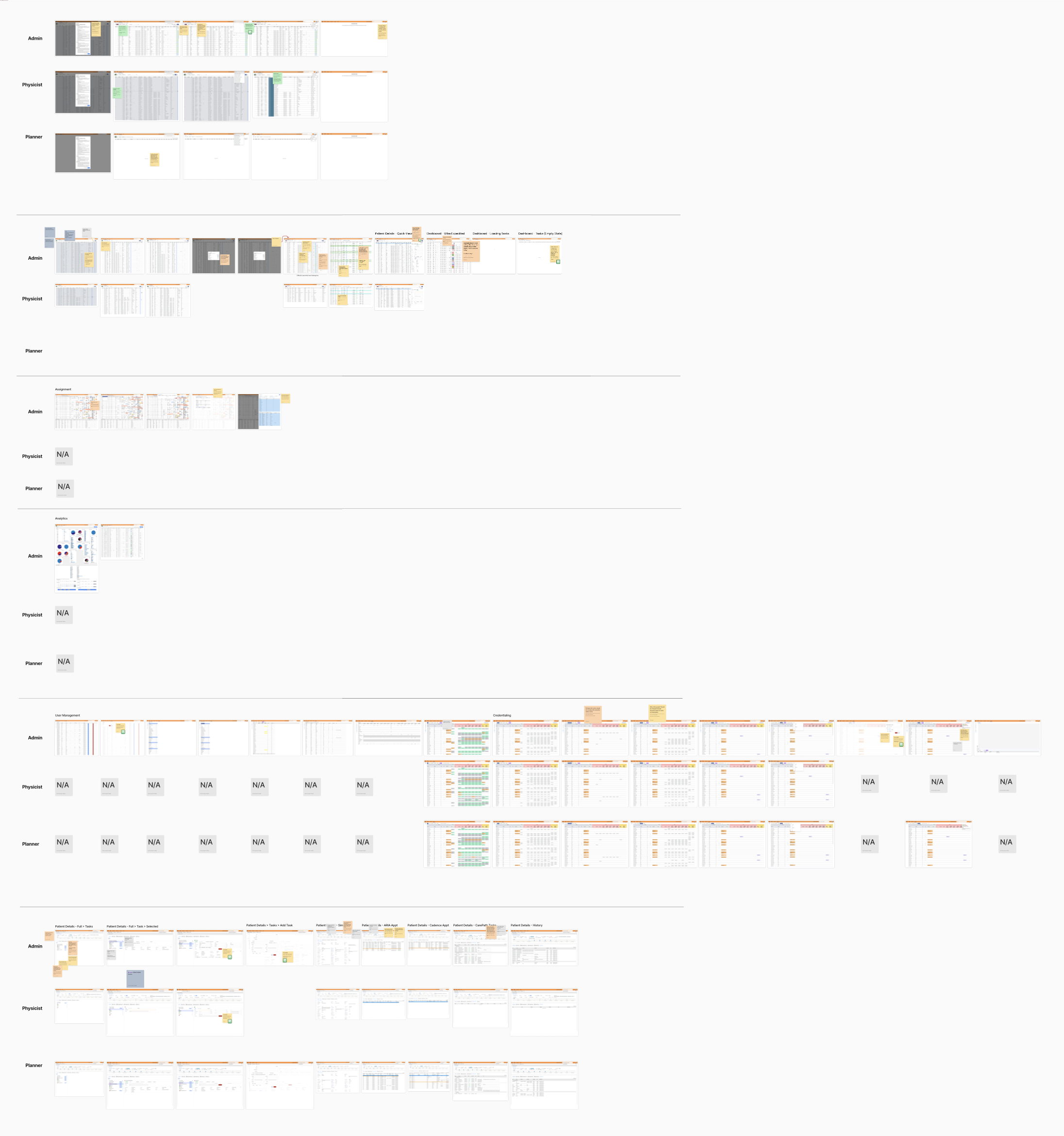
We conducted a heuristic evaluation and UI audit, identifying issues in layout, color hierarchy, and spacing. This foundation informed a unified visual framework that could scale with the product.
Outcomes
- Unified typography, spacing, and components across views.
- Established a scalable color system and consistent iconography aligned with MSK’s design system.
Notifications
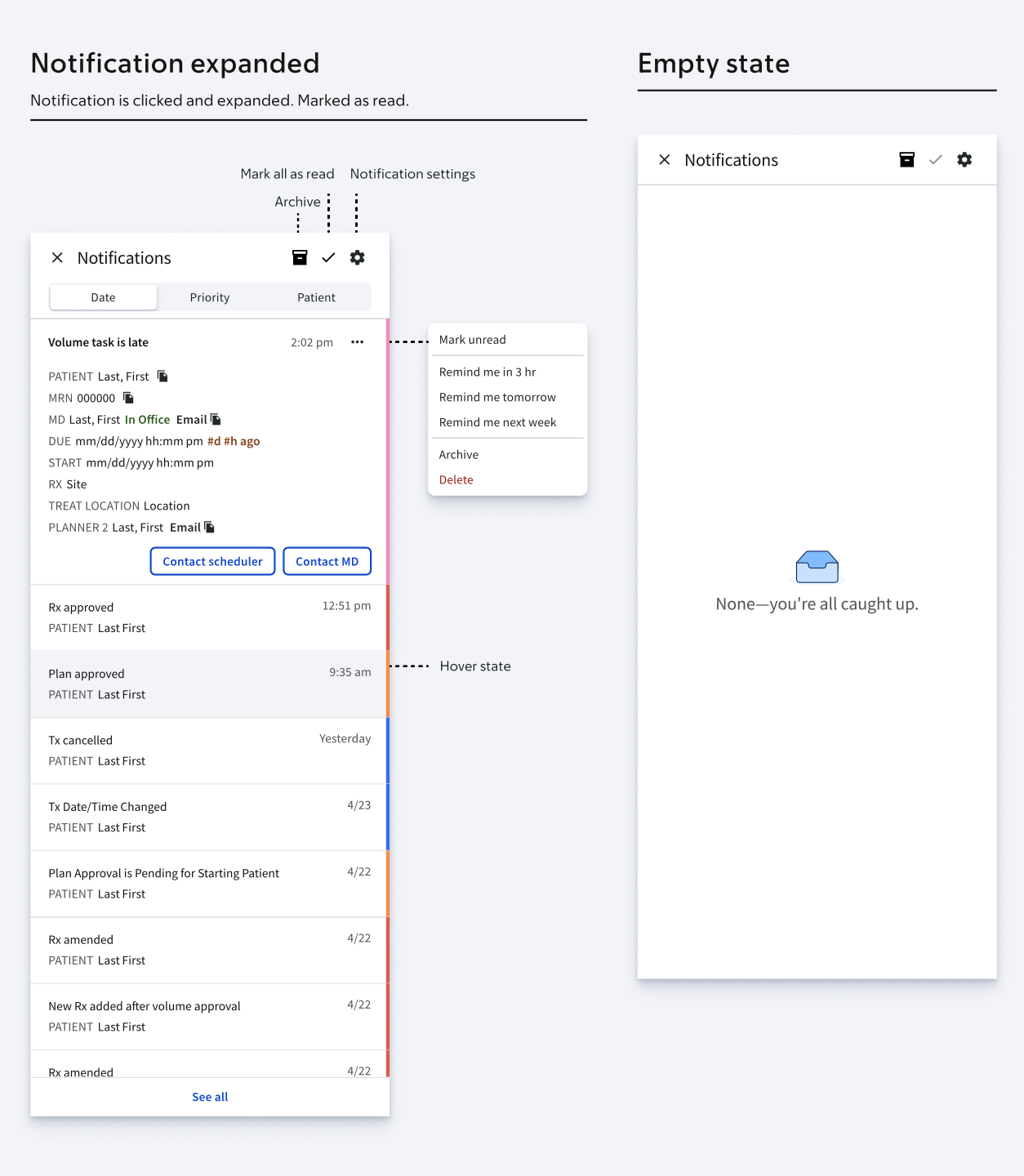
I owned the notificatians feature and worked closely with existing users through regular discussions to understand what sorts of notifications would be of value to them.
Outcomes
- Notifications for different roles with varying types, priorities, actions, and displayed data
- Various forms of customization and management
Expanding to a New Role
On-Site Research
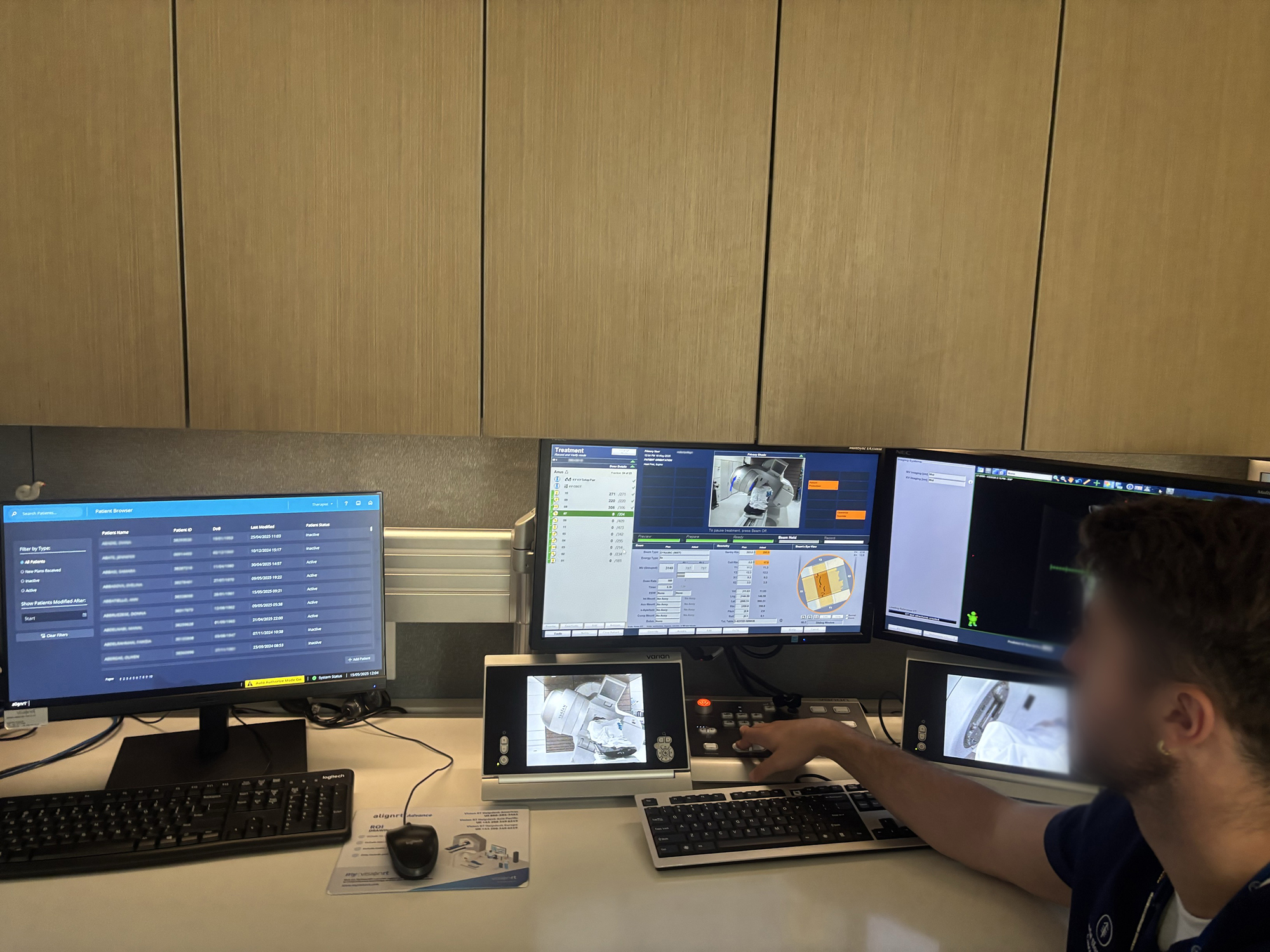
We visited MSK’s main campus and regional centers to observe radiation therapists in real conditions.
These studies revealed:
- Labyrinthine workflows and redundant steps
- Poor differentiation of task priorities
- Visual overload and poor use of hierarchy
- Gaps in existing data views
Co-Design & Prototyping
Partnering with therapists, we mapped data priorities across workflow stages. In parallel, we collaborated with developers to ensure integration feasibility with existing APIs. I took charge of the dashboard while the design lead worked on the patient details page.
I created prototypes which we tested interactive Figma flows with real therapists to validate clarity, data comprehension, and trust in AI-assisted insights.
Dashboard Redesign
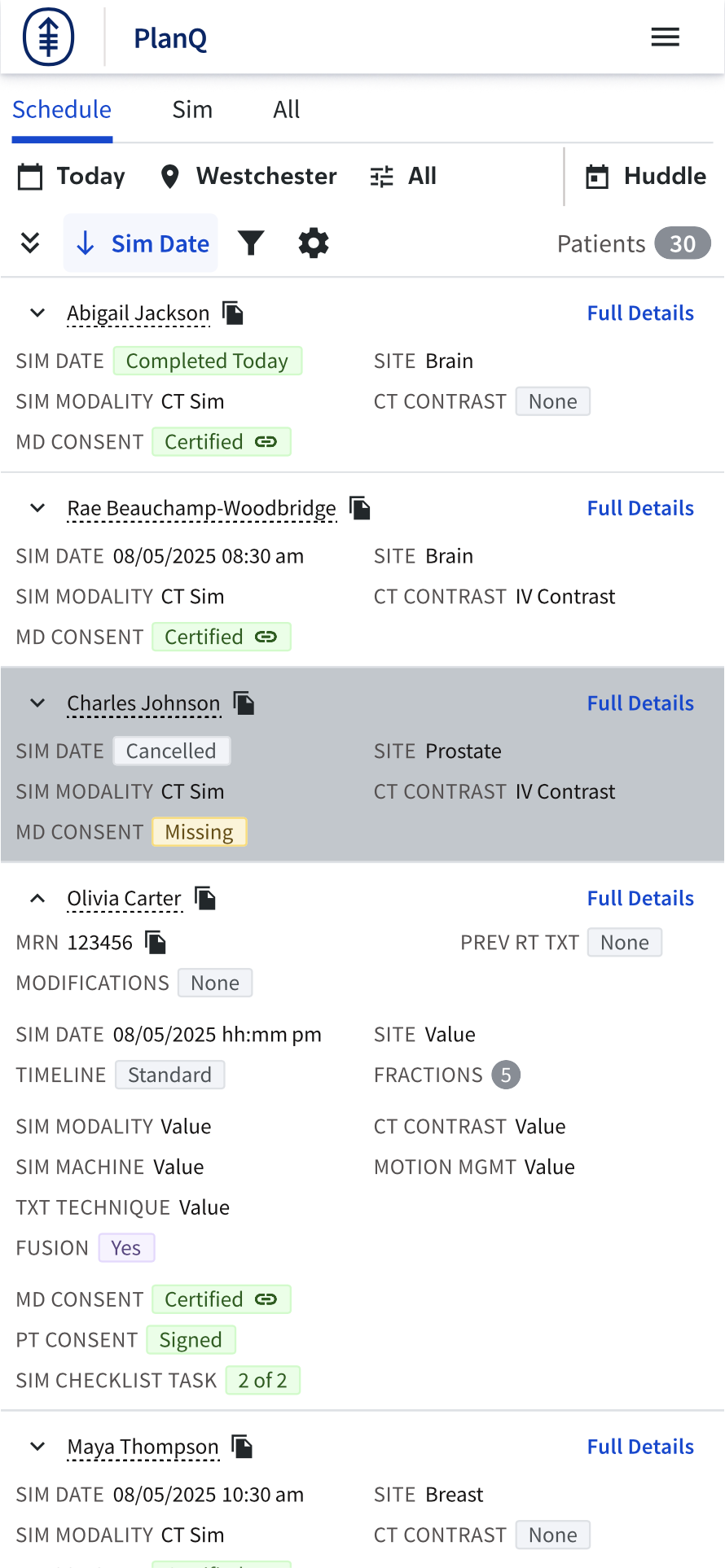
- Introduced role-aware dashboard views, tailored to therapists’ tasks.
- Added card and table views — allowing users to toggle between dense data and scannable summaries.
- Improved information grouping and alignment.
AI Integration
- Defined a distinct style language for AI-flagged content.
- Balanced prominence and caution through subtle visual cues to maintain clinical trust.
Impact
Although I left MSK before implementation, user testing showed strong early validation:
- Therapists preferred the card view for quick scanning.
- They expressed measured optimism toward AI features when paired with transparency.
- Filtering improved task speed and clarity.
- Developers reported smoother alignment due to the documented visual standards.
“I was skeptical at first, but after using it, I can see how this really helps us. It’s more useful — and more thoughtful — than I expected.”
Radiation therapist
Since I've left, I've received some updates from the lead who is still at MSK:
- The notifications have gone live with Planners and Coordinators and "they love them".
- The card view is going to be built for a new user group: Attending and Resident Physicians.
- The table view has gone through successful UAT with Radiation Therapists and they are already asking for more (a view for helping with their scheduling tasks).
Reflection
PlanQ reinforced the value of embedded observation in clinical environments — the most actionable insights emerged not from interviews but from watching therapists work under pressure.
It also underscored the importance of early cross-functional alignment. Engaging clinicians and engineers from the start allowed us to design solutions that were desirable, feasible, and safe — strengthening both user trust and implementation success.